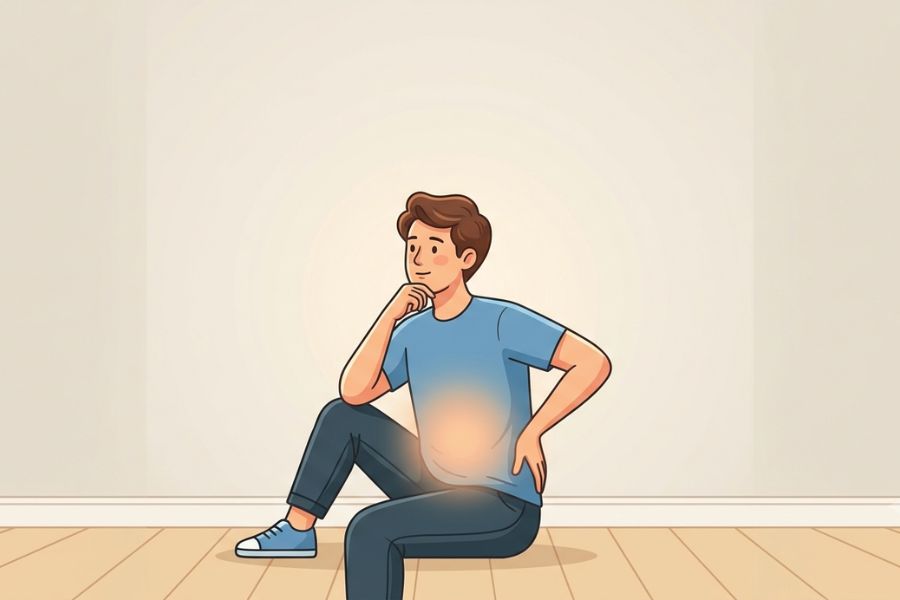
IBS and Back Pain: 8 Surprising Causes and Solutions
Imagine your tummy and your back are like two best friends who like to share everything – even the not-so-fun feelings.
I have IBS (that’s Irritable Bowel Syndrome), and for a long time I wondered: Does IBS cause backache? Why am I dealing with this annoying IBS back pain, especially lower back pain IBS?
If you’ve ever had that same question, you’re not alone! Lots of people with IBS feel pain in their back even though the main problem is in their belly. It might surprise you, but doctors have noticed this connection for years.
Here’s the simple truth: Yes, IBS can really cause back pain. It happens because your gut and your lower back share the same nerves and live right next to each other.
When your intestines get cranky with cramps, gas, or bloating, that discomfort can travel over and show up as back pain. It’s called “referred pain” – kind of like when you hit your funny bone and feel it in your fingers.
The really good news? Understanding why it happens makes it easier to feel better. In this article, I’m going to share 8 surprising causes of IBS-related back pain and simple, friendly solutions that actually help. No big complicated words just easy things you can try at home.
Whether your back starts hurting during a tummy flare-up or it feels like a mystery ache, we’re going to figure it out together. Ready? Let’s dive in and learn how to help both your belly and your back feel happier!
Quick IBS + Back Pain Basics
Okay, let’s keep this super easy to understand – like explaining it to your best friend.
What is IBS? IBS stands for Irritable Bowel Syndrome. It’s not a dangerous disease, but it makes your intestines (your guts) extra sensitive. Common tummy signs include:
- Stomach cramps
- Bloating (feeling full and puffy)
- Going to the bathroom too much or not enough
- Gas that won’t go away
It’s like your digestive system gets a bit mixed up sometimes.
So… can IBS cause back pain? Yes! Many people with IBS also get lower back pain or general backache. Studies show it happens to a lot of us – sometimes more than half of people with IBS feel it.
Here’s why it makes sense (without any hard science words):
Your belly and lower back are neighbors inside your body. They’re connected by lots of nerves, kind of like roads between two houses.
When your intestines are unhappy – cramping, full of gas, or swollen – the “ouch” message can travel along those roads and you feel it in your back. That’s why it’s often called IBS back pain.
Other simple reasons it happens:
- Extra gas or constipation puts pressure right near your lower back.
- Your muscles tighten up when your tummy hurts.
- Feeling worried or stressed (a big IBS trigger) can make your back feel tight too.
Important friendly reminder: Most of the time this back pain is from the IBS and not a serious back injury. But if the pain is very strong, doesn’t go away, or you have other new symptoms, always tell a parent or doctor. They can make sure everything is okay.
Now that we understand the basics, let’s get to the fun part – the 8 surprising causes and easy solutions that can really help you feel better!
8 Surprising Causes of IBS Back Pain (and Easy Solutions)
Let’s go through them one by one. Each cause has a clear explanation, why it’s surprising, and practical things you can try at home.
1. Referred Pain – The Nerve Highway Connection
Your gut and lower back are connected by a big network of nerves. When IBS causes cramping or irritation in your intestines, the pain message can travel along these shared nerves and you feel it in your back instead.
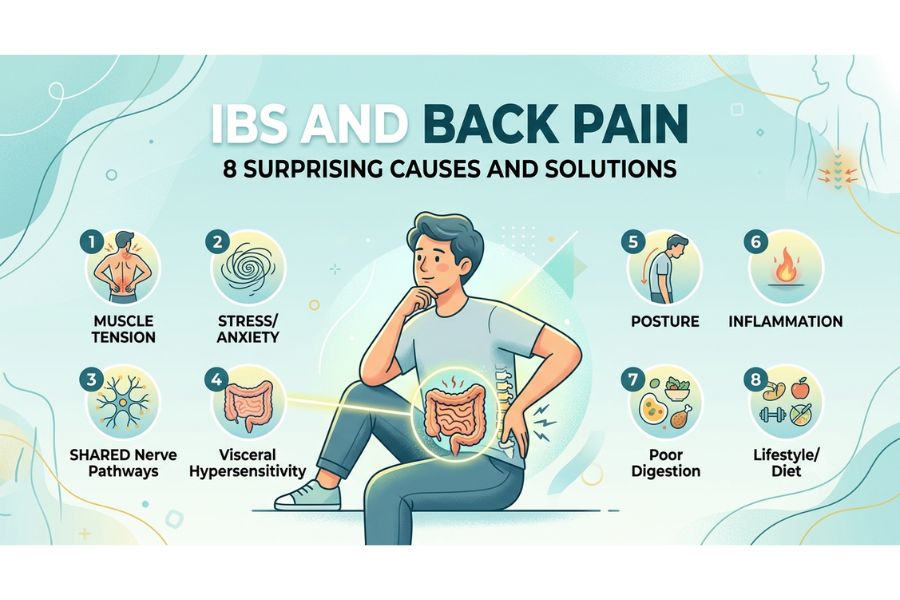
This is called referred pain. It’s surprising because you might think the back is the problem, but it’s actually your tummy sending the signal!
Easy solutions:
- Use a warm heating pad on your lower belly for 15 minutes. Many people notice their back feels better too.
- Practice calm breathing: Lie down, put one hand on your belly, and breathe slowly so your hand rises and falls. This soothes the nervous system.
- Tip: Do this whenever you feel a flare starting.
2. Gas and Bloating Create Pressure
Extra gas and bloating make your belly expand. This puffiness pushes against your spine and the muscles in your lower back, causing that achy IBS back pain. It often feels worse after eating certain foods.
Simple fixes:
- Take a short walk after meals – movement helps trapped gas move out.
- Try sipping peppermint tea or eating a few fresh mint leaves.
- Avoid chewing gum or drinking through straws (they make you swallow extra air).
3. Muscle Tension from Tummy Cramps
When your belly suddenly cramps, your body tightens muscles around it for protection. Over time, this tension spreads to your lower back and shoulders, making them sore and stiff.
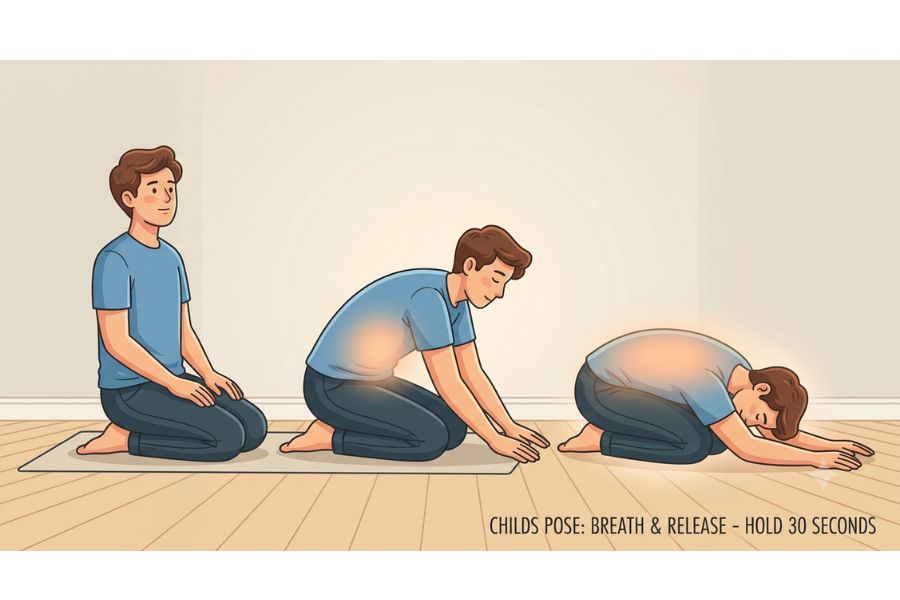
What helps a lot:
- Gentle stretching: Try the child’s pose (kneel, fold forward, rest forehead on the floor). Hold for 30 seconds and breathe.
- Take a warm bath or shower – the heat relaxes tight muscles in both areas.
- Massage your lower back gently with your hands or ask a family member to help.
4. Constipation and the Pressure Build-up
With constipation-type IBS, stool stays longer in your intestines. This creates fullness and pressure that pushes directly on your lower back. You might also hunch forward to ease tummy discomfort, which strains your back muscles even more.
Helpful daily habits:
- Drink water regularly – aim for enough so your pee is light yellow.
- Eat foods that help gently: ripe bananas, oatmeal, kiwi fruit, or cooked carrots.
- Try to have a regular toilet routine and don’t hold it in when you need to go.
5. Stress Makes Everything Tighter
Stress is a huge trigger for IBS. When you feel worried or anxious, your muscles tighten (including in your back) and your gut can become more sensitive. This double effect often turns into lower back pain IBS.
Relaxing solutions:
- Do something you enjoy every day – listening to music, drawing, reading, or playing with a pet.
- Try 5 minutes of quiet time with slow breathing before bed.
- Talk about your feelings with someone you trust it really lightens the load.
6. Posture Changes When Your Tummy Hurts
When your belly feels bad, you might slouch, lean forward, or sit in weird positions to feel better. Doing this for hours can tire out your back muscles and cause aches.
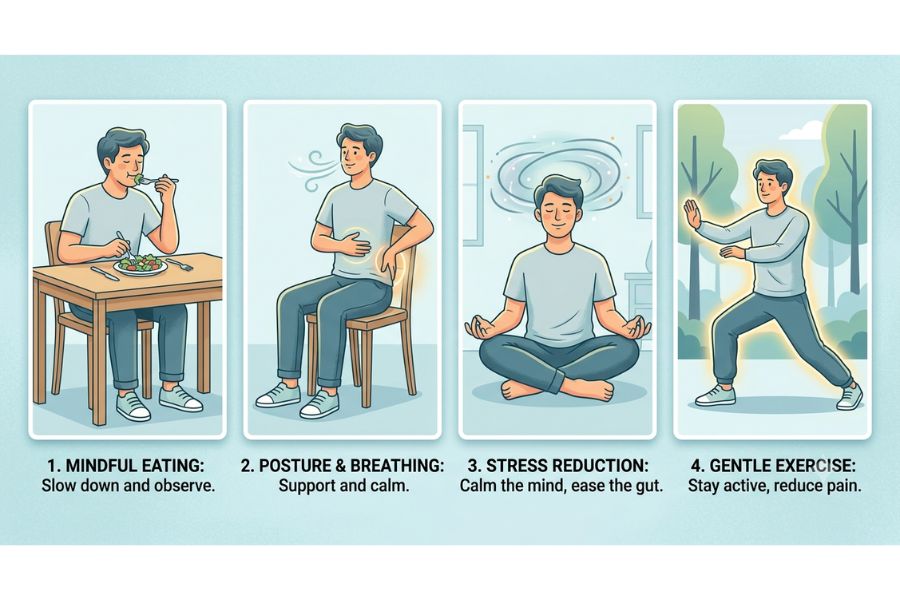
Quick posture helpers:
- Sit or stand tall like a superhero – shoulders relaxed, head up.
- Set a phone timer to remind you to stretch and move every hour.
- Use a small pillow behind your lower back when sitting for long periods.
7. Super-Sensitive Nervous System
People with IBS often have a very alert gut-brain connection. This means small problems in the tummy feel bigger, and pain can show up more easily in other places like the back.
Smart ways to help:
- Keep a simple symptom notebook: Write what you ate, how your tummy felt, and if your back hurt. You’ll start seeing helpful patterns.
- Get enough sleep – tiredness makes everything feel worse.
- Try gentle activities like swimming or yoga (kid-friendly versions).
8. Inflammation Sensitivity or Extra Tiredness
Even though IBS isn’t mainly about swelling, the irritation in your gut can make nearby tissues more sensitive. Plus, feeling tired or having other IBS symptoms can make your back feel achier overall.
Long-term helpers:
- Eat colorful fruits and veggies when you can – they support your body.
- Stay active but don’t overdo it.
- Work with a doctor – sometimes they suggest probiotics or other gentle supports that help both tummy and back.
Bonus Tips Section
Here are some extra friendly tips that can help both your IBS and back pain at the same time. These are simple habits you can add to your day without feeling overwhelmed.
Everyday Habits That Make a Big Difference
- Drink plenty of water It keeps your digestion smooth and prevents constipation that presses on your lower back. Try carrying a fun water bottle and take small sips throughout the day.
- Move gently every day Walking, stretching, swimming, or even dancing in your room helps gas move, relaxes tight muscles, and improves posture. Aim for 10–20 minutes — it doesn’t have to be hard exercise!
- Eat mindfully Sit down, chew slowly, and notice how different foods make you feel. Many people feel less bloating and back pain when they eat smaller meals more often.
- Get good sleep Tiredness makes IBS symptoms and back pain feel stronger. Try a calming bedtime routine like reading or listening to quiet music.
Foods That Often Help (and Ones to Watch)
Gentle foods to try more often:
- Bananas, kiwi, oatmeal, rice, cooked carrots, peppermint tea, ginger.
- Plain yogurt with live cultures (if dairy doesn’t bother you).
Foods that might trigger IBS back pain for some people:
- Fizzy drinks, chewing gum, very spicy or fatty foods, too much broccoli or beans at once.
Everyone is different, so use your symptom notebook to discover what works best for you.
Simple Tracking Trick
Keep a little notebook or use your phone notes. Each day write:
- What I ate
- How my tummy felt
- Did my back hurt? (and when)
- What helped?
After a week you’ll start seeing patterns, like “Walking after dinner really reduces my lower back pain.” This makes you feel like a detective in charge of your body!
Breathing and Relaxation Exercise (Do This Anywhere)
- Sit or lie down comfortably.
- Put one hand on your belly.
- Breathe in slowly through your nose for 4 counts (feel your belly rise).
- Breathe out gently through your mouth for 6 counts.
- Repeat 5–10 times.
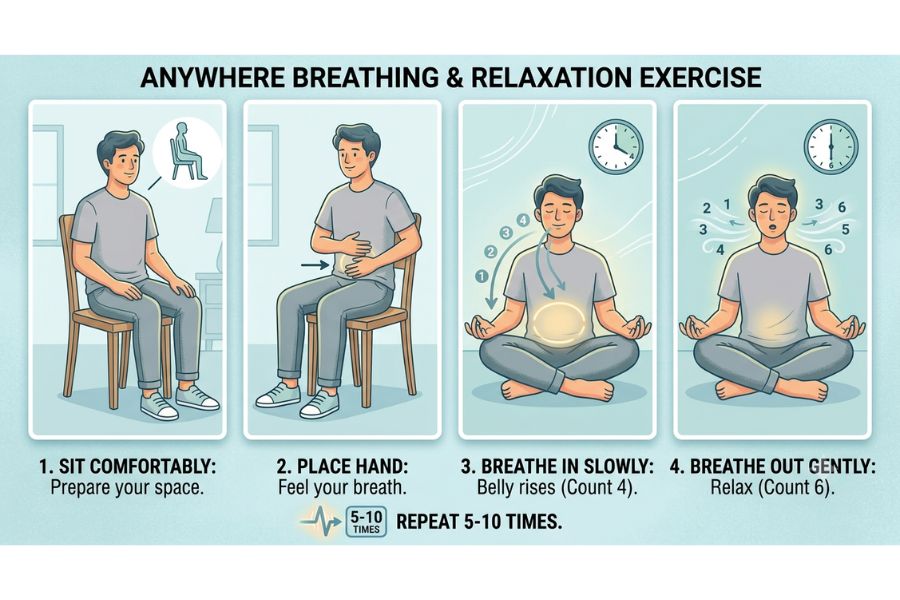
This calms your nervous system, eases gut cramps, and relaxes back muscles all at once. Many kids and adults with IBS say it’s one of their favorite tools.
One last important note: These tips are helpful for many people, but they are not a replacement for talking to a doctor. If your pain is strong, lasts a long time, or you feel worried, always get help from a parent and doctor. They can make a plan that’s perfect for you.
Conclusion
And that’s it – we’ve covered a lot together!
So, to answer the big question we started with: Yes, IBS can really cause back pain. Whether it’s IBS back pain, lower back pain IBS, or that annoying backache that seems to come out of nowhere, it’s surprisingly common and usually connected to what’s happening in your tummy. The shared nerves, gas pressure, muscle tension, stress, and other things we talked about all play a part.
The best part? You now have 8 surprising causes and lots of simple, friendly solutions to try. Small things like warm packs, gentle stretches, drinking water, walking, breathing exercises, and paying attention to your food and stress can make a real difference for both your belly and your back.
You don’t have to fix everything at once. Pick just one tip that sounds easy and try it this week. Maybe the warm heating pad, the child’s pose stretch, or the slow breathing exercise. Celebrate the little improvements – they add up!
Remember, you’re not alone in this. Many kids and adults figure it out step by step, just like you’re doing now. Be kind to your body, listen to what it tells you, and don’t hesitate to ask for help from a doctor or someone you trust when you need it.
You’ve got this! Your tummy and back can feel happier and work better together. If you try any of these ideas, I’d love to hear how it goes. Take care and keep smiling!
One Comment