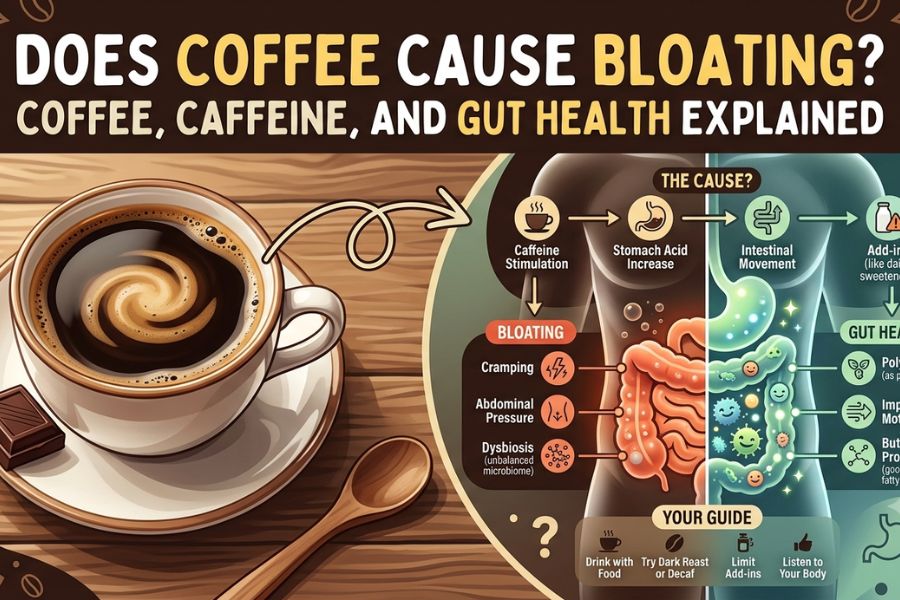
Does Coffee Cause Bloating? Coffee, Caffeine, and Gut Health Explained
If you’ve ever finished your morning cup only to feel an uncomfortable tightness in your stomach, you’ve likely found yourself asking: does coffee cause bloating?
The quick answer is yes. While it isn’t the same for everyone, can coffee cause bloating? It absolutely can. For some, a morning brew is a seamless energy boost; for others, it triggers an immediate physical distension that can derail the entire morning.
Depending on your unique biology, coffee acts as a powerful gastrointestinal stimulant. I’ve found that the issue usually comes down to a few distinct physiological triggers: it can cause excess gas, direct stomach irritation, hyper-stimulated digestive movement, or even temporary water retention.
If you happen to be an IBS sufferer, your gut is naturally far more sensitive to these rapid shifts. For a sensitive GI tract, the compounds in coffee can cause immediate flare-ups, leaving you wondering why exactly can coffee cause gas and bloating so aggressively compared to other warm beverages.
But coffee isn’t a monolith, and the blame doesn’t always lie with the bean itself. To fix the issue, we have to look deeper into the underlying chemistry.
In this guide, I will break down the exact biological mechanisms behind why can coffee cause stomach bloating, how caffeine impacts your overall gut microbiome, and the actionable tweaks you can make to your routine to enjoy your daily cup completely symptom-free.
Why Some People Feel Bloated After Coffee
Pinpointing exactly why your morning brew turns against you comes down to a few distinct physiological triggers. In my experience looking at gut health patterns, the issue rarely stems from a single factor.
Instead, it’s usually a combination of how you drink your coffee, what you put in it, and your unique digestive baseline.
Drinking Coffee on an Empty Stomach
When you drop a highly acidic liquid into a completely vacant stomach first thing in the morning, you are inviting digestive friction. Coffee aggressively stimulates the production of hydrochloric acid (HCl).
Normally, your stomach releases HCl to break down solid food. When there is nothing in your stomach to digest, that excess acid freely irritates the gastric lining.
This irritation slows down your overall digestive pace, leading to indigestion, trapped air, and immediate swelling. If you find yourself asking can coffee cause bloating within thirty minutes of waking up, your empty stomach is almost always the culprit.
High Caffeine Intake
Caffeine is an exceptional energy booster, but it is also a powerful central nervous system stimulant that triggers your body’s stress response, spiking cortisol and adrenaline.
When your body enters this heightened state, it deprioritizes digestion, diverting blood flow away from your gastrointestinal tract and toward your muscles and brain. This sudden drop in GI blood flow stalls the smooth, rhythmic muscle contractions needed to move food along.
When food sits stagnant, it ferments, releasing gas. So, does caffeine cause bloating by itself? Absolutely by physically shifting your body into a state where efficient digestion becomes secondary.
Added Milk, Creamers, or Sweeteners
Sometimes the coffee bean itself is completely innocent, and the blame lies entirely with your mix-ins.
- Dairy: A massive percentage of adults have some degree of lactose malabsorption. Even if you don’t experience full-blown lactose intolerance, dairy creams can cause low-grade gut inflammation.
- Sweeteners: High-fructose syrups and artificial sweeteners (like sucralose) or sugar alcohols (like xylitol and sorbitol) are incredibly difficult for the small intestine to absorb. They travel straight to your large intestine completely intact, where your resident gut bacteria rapidly ferment them. This fermentation process produces a massive amount of gas, explaining precisely why a flavored morning latte can coffee cause gas and bloating so aggressively.
Existing Digestive Conditions
If you already live with an underlying digestive issue like Irritable Bowel Syndrome (IBS), Small Intestinal Bacterial Overgrowth (SIBO), or chronic acid reflux, coffee acts like an accelerator pedal on an already volatile system.
Coffee contains specific chemical compounds including chlorogenic acids and exorphins that heavily stimulate hyper-motility (the speed of your digestive tract). In a resilient gut, this simply triggers a normal trip to the bathroom. But in a highly sensitive or compromised GI tract, this rapid stimulation causes irregular, painful muscle spasms and pockets of trapped air.
This is the primary reason why can coffee cause stomach bloating to a severe, painful degree for some people while leaving others completely unaffected.
Signs Coffee May Be Triggering Your Bloating
Bloated shortly after drinking coffee: If your stomach starts to expand within 15 to 45 minutes of finishing your cup, it is an immediate physical reaction to the beverage. This tight timeline points directly to rapid gastric acid production or sudden intestinal muscle spasms rather than the slower, normal fermentation of food.
Tight or swollen abdomen: This isn’t just a mild, full feeling. A hallmark sign that can coffee cause bloating in your system is a physical distension where your belly feels visibly tight, rigid to the touch, and uncomfortably stretched right below your ribcage.
Increased burping: If your body is trying to expel trapped air constantly after your brew, coffee’s high acidity is likely irritating your stomach lining, causing you to swallow air or forcing your upper GI tract to create excess gas.
Digestive discomfort: This is often accompanied by a dull ache, a loud, gurgling stomach, or a sudden wave of acid-induced nausea. It’s a clear signal that the chemical compounds in the coffee are causing upper GI irritation.
Who Is Most Likely to Experience It?
Not everyone reacts to coffee the same way. In fact, if you find that your morning cup consistently leaves you asking does coffee cause bloating, you likely fall into one of these four high-risk categories.
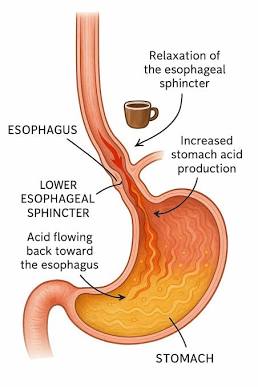
As you can see in the diagram above, coffee triggers specific physiological changes in the upper GI tract—namely, spiking acid production and altering muscle tension. This directly explains why certain groups suffer far more than others:
People with IBS: For anyone with Irritable Bowel Syndrome, the gut’s nervous system is hypersensitive. The intense motor stimulation from coffee can cause the colon to spasm irregularly, locking in pockets of air and causing severe, localized gas.
People with acid reflux: As illustrated, coffee relaxes the lower esophageal sphincter (the muscular valve separating your stomach and throat).
When this valve relaxes, excess stomach acid flows backward. This constant irritation in the upper digestive tract stalls regular digestion, leading to a cascade that can coffee cause gas and bloating right alongside your heartburn.
Individuals sensitive to caffeine: If your liver metabolizes caffeine slowly, the stimulant stays in your bloodstream longer. This keeps your nervous system locked in a “fight or flight” state, continuously suppressing blood flow to your gut and ensuring that anything you consume turns into stagnant, gas-producing matter.
Those with lactose intolerance: If you fall into this camp, the coffee bean itself might be entirely innocent. Adding even a splash of traditional milk or cream means your small intestine lacks the lactase enzymes to break it down, leading straight to heavy fermentation, fluid retention, and intense lower abdominal swelling.
Coffee and IBS: Is There a Connection?
If you are living with Irritable Bowel Syndrome (IBS), your relationship with coffee is likely complicated. While many people rely on that morning cup to kickstart their day, those of us with a highly sensitive gastrointestinal tract often experience a completely different reality.
The connection between coffee and IBS isn’t just in your head it is deeply rooted in how your enteric nervous system (the nervous system in your gut) reacts to specific dietary stimulants.
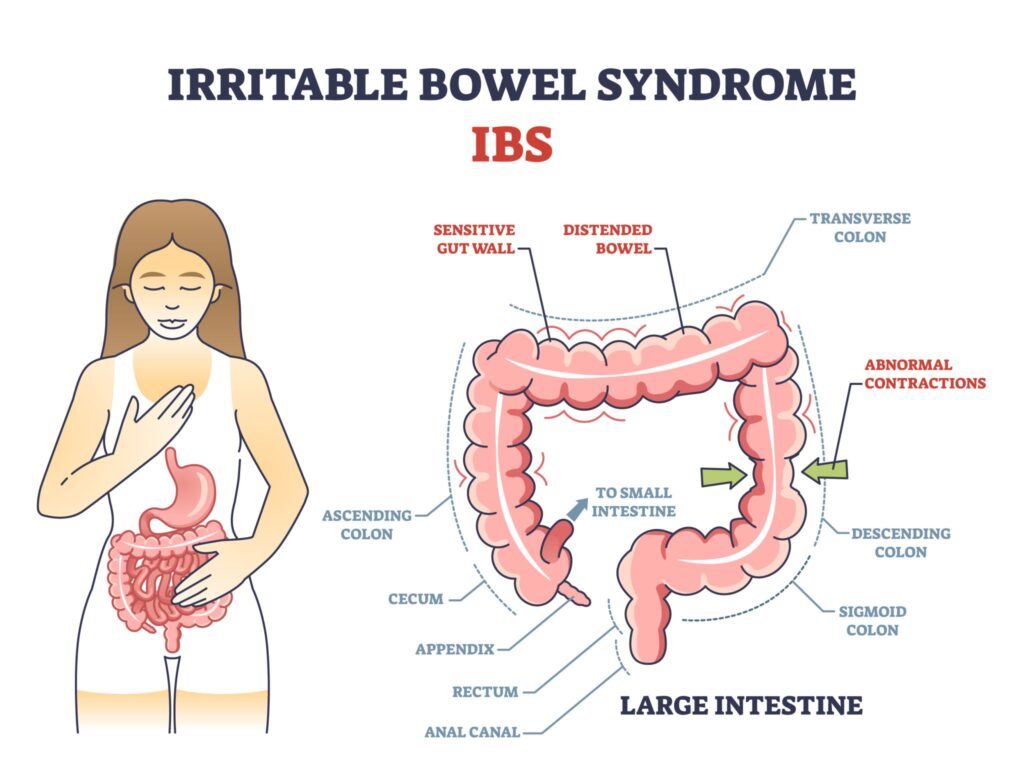
Why Coffee Can Trigger IBS Symptoms
To understand why a simple drink can cause such an aggressive reaction, we have to look at the mechanics of a sensitive gut wall and how it responds to stimulants.
Increased intestinal contractions: Coffee is a potent trigger for the gastrocolic reflex the signal your stomach sends to your colon to clear space as soon as food or liquid enters.
Coffee accelerates this process by inducing violent abnormal contractions in the colon. In a standard gut, this might just mean a regular bowel movement.
In an IBS gut, these hyper-active contractions squeeze the colon unevenly, trapping pockets of gas and fluid.
Greater sensitivity to digestive stimulation: People with IBS suffer from visceral hypersensitivity, meaning the nerves in their gut walls are incredibly sensitive to stretch and pressure.
When coffee triggers rapid digestive movement or minor gas, your brain perceives it as intense pain and significant swelling, making you feel like your abdomen is a distended bowel almost immediately.
Potential trigger for IBS flare-ups: Because coffee contains both caffeine and various highly acidic compounds, it acts as a multi-pronged irritant. It can destabilize your gut microbiome and alter your transit time so drastically that it sets off a multi-day IBS flare-up.
If you have been tracking your symptoms and wondering, can coffee cause bloating, the answer for an IBS sufferer is a resounding yes—and it often comes with a cascade of other uncomfortable side effects.
Common IBS Symptoms Linked to Coffee
When I look at how coffee disrupts an IBS-prone system, the symptoms rarely stop at a single complaint. Instead, they present as a cluster of upper and lower GI distress points:
| Symptom | How Coffee Drives It |
| Bloating | Fluid retention and trapped gas stretch the sensitive gut wall, causing a visible, firm distension. |
| Gas | Sudden shifts in gastric acid and stalled small-intestinal digestion allow bacteria to rapidly ferment contents, leading people to ask why exactly can coffee cause gas and bloating. |
| Abdominal Discomfort | The hyper-acidic nature of the brew combined with spasmodic contractions leads to sharp cramping and a dull, aching pressure across the midsection. |
| Urgency | The intense chemical stimulation of colon motility leaves you rushing to the bathroom within minutes of your first few sips. |
If you notice this exact pattern playing out day after day, it is a clear sign that your nervous system is treating your morning brew as a threat. The question shifts from does caffeine cause bloating or can caffeine cause bloating in a general sense, to how you can adapt your specific routine to calm this hyper-reactive gut response.
When Bloating After Coffee Could Signal Something Else
Sometimes, blaming the coffee bean is only looking at half the picture. While it’s true that your daily cup can trigger immediate physical reactions, it’s often acting as a diagnostic mirror—exposing a vulnerable digestive system or an underlying gut condition that was already simmering beneath the surface.
If you completely cut out caffeine or switch to low-acid brews and still find yourself asking does coffee cause bloating, it’s time to consider that your morning beverage isn’t the root cause, but rather a catalyst for something else.
Conditions That May Be Involved
When coffee consistently causes severe abdominal distress, it usually points to one of four common gastrointestinal or metabolic culprits:
- Irritable Bowel Syndrome (IBS): As we covered earlier, coffee can easily trigger an IBS flare-up. If your bloating is accompanied by chronic bouts of diarrhea, constipation, or erratic bowel habits that alternate weekly, your gut’s nervous system is likely suffering from systemic hypersensitivity.
- Lactose Intolerance: If you notice that black coffee treats you fine but a standard latte leaves you uncomfortably distended, your body simply lacks the lactase enzymes required to break down milk sugars. The resulting fermentation in your colon is a classic reason why can coffee cause gas and bloating.
- Gastroesophageal Reflux Disease (GERD): Coffee relaxes the lower esophageal sphincter. If you have chronic acid reflux or GERD, this allows stomach acid to wash backward into your esophagus. To counter the discomfort, you might unconsciously swallow more air (aerophagia), which directly explains how can coffee cause stomach bloating.
- Food Sensitivities: Beyond dairy, many modern coffee creamers contain thickeners like carrageenan, xanthan gum, or nut milks with heavy emulsifiers. For a sensitive gut lining, these additives can cause low-grade inflammation and immediate fluid retention.
When to Speak With a Healthcare Professional
While occasional bloating is a normal part of human digestion, you should never ignore chronic, painful abdominal swelling. If your morning routine leaves you wondering can caffeine cause bloating to a degree that disrupts your daily life, you need to watch for specific clinical red flags.
Critical Red Flag Checklist
Please look closely at your symptoms. If your post-coffee bloating is accompanied by any of the following, it’s time to bypass dietary tweaks and schedule a visit with a doctor:
- Severe or debilitating pain: Sharp, localized abdominal cramping that doesn’t resolve after passing gas or having a bowel movement.
- Persistent bloating: Swelling that remains constant for days at a time, completely independent of what you eat or drink.
- Unexplained weight loss: Dropping pounds rapidly without any conscious changes to your diet or exercise routine.
- Blood in your stool: Finding bright red or dark, tarry blood during a bathroom trip—this is an immediate signal to seek professional medical evaluation.
Wrapping It All Up
At the end of the day, understanding whether does coffee cause bloating in your specific case requires a little bit of personal detective work. For the vast majority of us, coffee is a completely manageable indulgence.
By simply adjusting your timing like eating a small meal before your first sip reducing your overall intake, or switching to clean, plant-based mix-ins, you can easily neutralize the triggers that cause can coffee cause bloating.
Listen to your body, track your symptoms right after your morning brew, and don’t hesitate to lean on a healthcare professional if your gut signals that something deeper is at play.
You don’t necessarily have to break up with your favorite morning ritual; you just need to learn how to drink it in harmony with your digestive system.


2 Comments